Following in the tracks of the Foundation’s 2025 summer exhibition Bridging
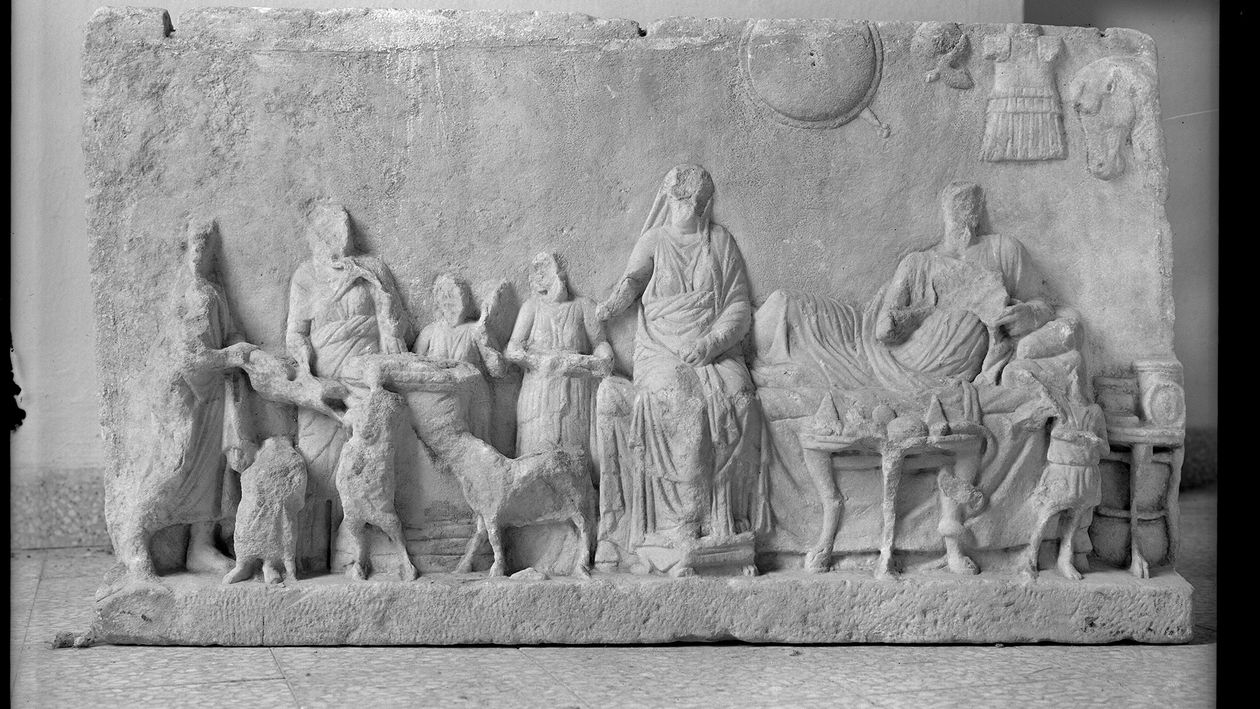
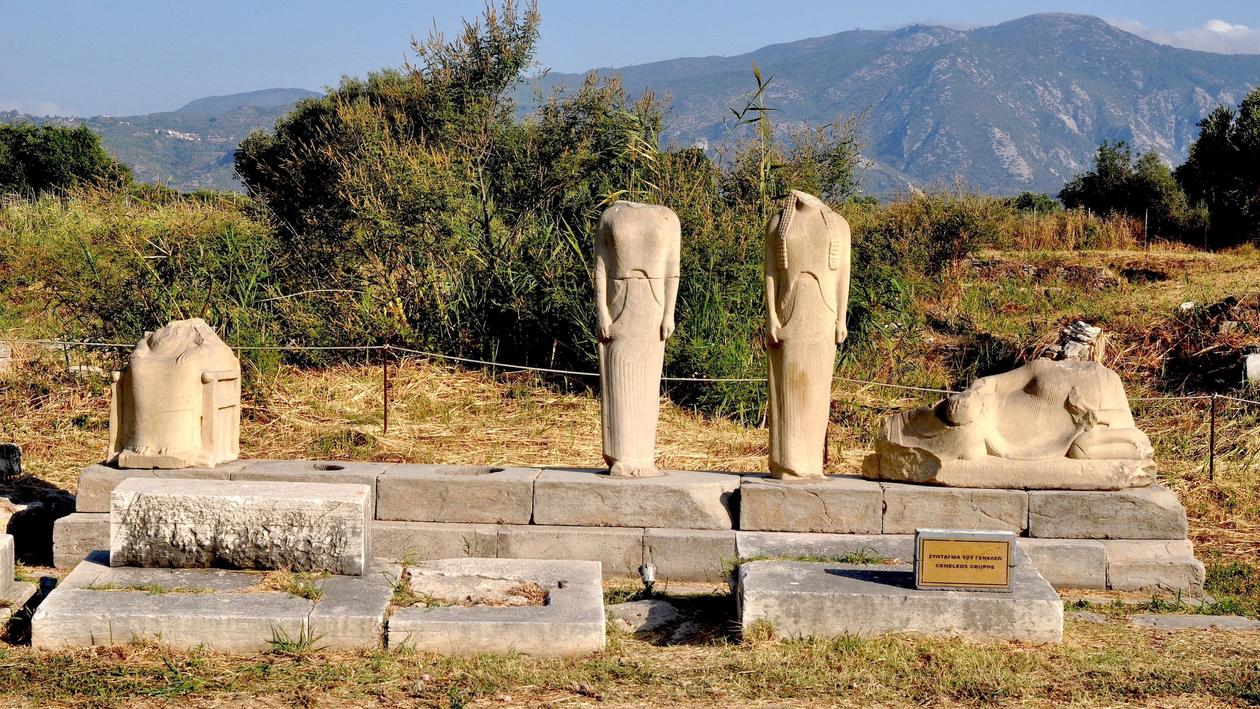
Cultures: 100 Years of Research of the German Archaeological Institute on Samos, this year’s exhibition is grounded in the present. However, it also takes its cue from the archaeological heritage of the island of Samos — an especially rich and powerful city-state in ancient times — to pose broader questions about the political dimension of archaeology, the relationship between material objects and historical truth, and the role of archaeology in nation-building and cultural identity. By grounding its inquiry in this historically charged landscape, Fragments and Futures situates classical archaeology not only as a study of the past but as an active force in shaping collective memory and contemporary identity. In Greece, antiquity is not confined to museums or experienced as a remote historical period; it is a constant presence embedded in daily life. Ruins coexist with contemporary infrastructure, reminding us that the past is not distant but continuously present. Contemporary artists living and working within this landscape must therefore contend with a heritage that is not an abstract legacy, but a lived, spatial, and cultural reality — immediate and unavoidable, whose weight, authority, and relevance must be negotiated in the present moment.
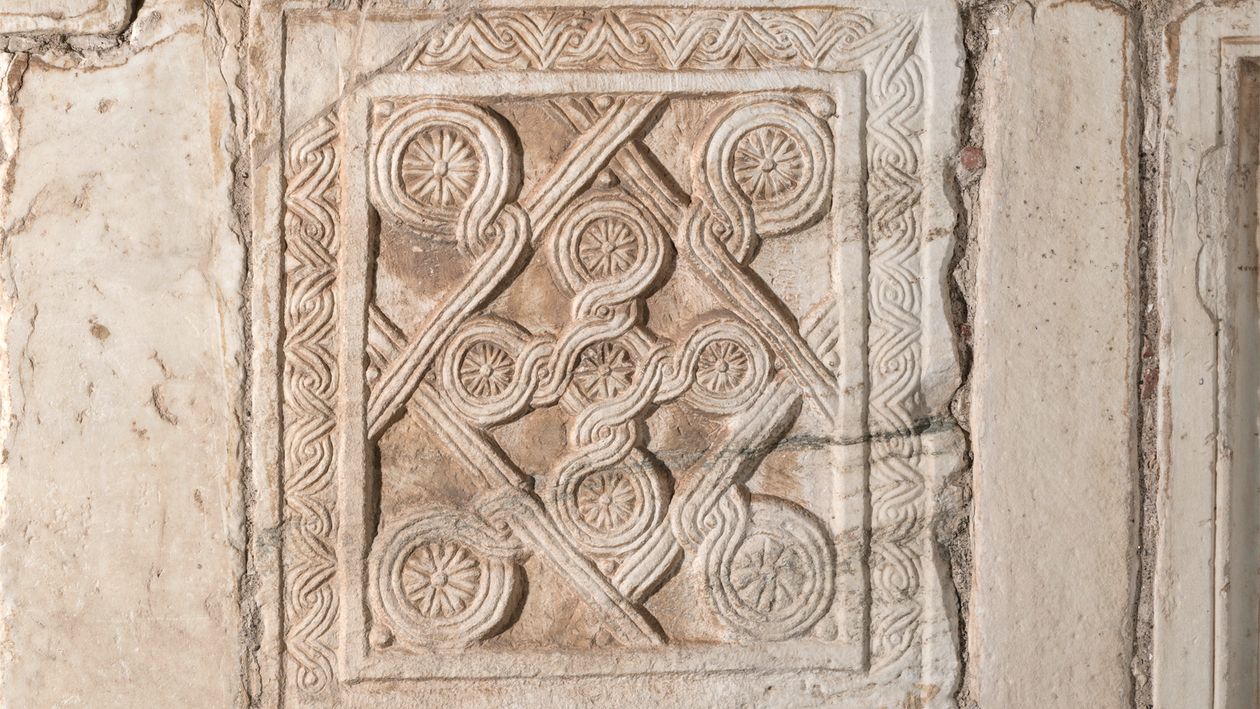
At the core of Fragments and Futures lies a fascination with the fragment — the ways in which the incomplete and the enigmatic become sites of imagination. Contemporary artists engaging with the classical past often approach ruins not as symbols of loss, but as evidence of endurance, transformation and reinterpretation.
Their works reframe the act of reconstruction, revealing how every attempt to restore the ancient world is also an act of storytelling. By embracing erosion, absence, and partiality, these artists suggest that what survives from antiquity is not only material but conceptual: an ongoing dialogue between what has crumbled and what we choose to rebuild.
From this sense of fragmentation emerges a renewed engagement with the body and with myth — the human forms and narratives through which antiquity still speaks. The classical body, idealised and codified over centuries, becomes a site of revision and resistance. Artists may reimagine myths through feminist, queer, and postcolonial perspectives, exposing how these ancient stories have shaped ideals of beauty, power, and belonging. By reinhabiting figures such as Venus, Apollo, or Medusa, they may breathe contemporary subjectivity into sculptural archetypes, transforming them from static emblems into living, questioning presences. Through these acts of reanimation, the exhibition asks how inherited myths might be rewritten to reflect the multiplicity of modern identities.
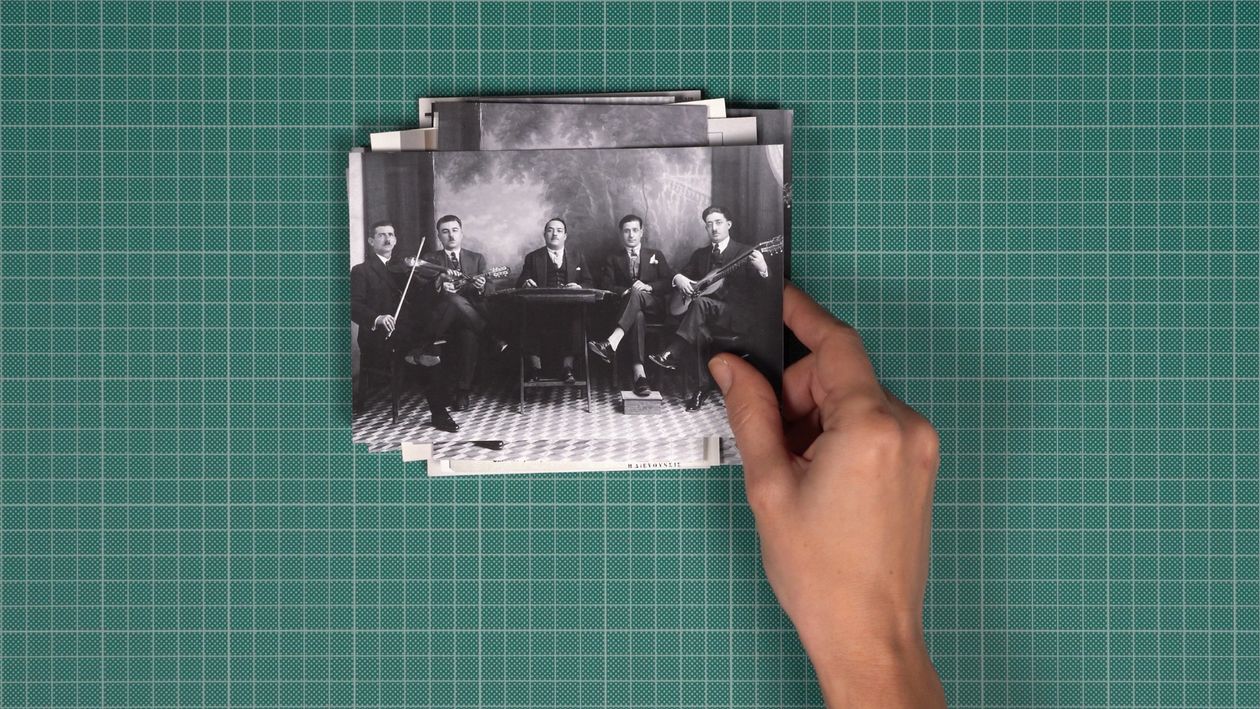
This re-engagement also extends into material practice. In the dialogue between ancient craft and contemporary technology, artists translate the tactile languages of marble, clay, and pigment into the digital languages of scanning, projection, and 3D printing. This material translation highlights both continuity and rupture — the persistence of human curiosity across millennia and the shifting definitions of authenticity and originality. In these works, ancient forms are rendered anew through tools that both preserve and transform them, suggesting that archaeology itself is a creative act, one that continually remakes the past in the image of the present. The participating artists often adopt a research-based methodology, sharing a long-term engagement with history and memory, as well as an interest in archaeology as a means to remember, record, and revisit historical events. The artistic process itself often resembles that of an archaeologist’s, as contemporary artists ‘excavate’ documents and material culture, engaging in historical and archival research to generate new meanings and understandings of the past.
Archaeology has played a formative role in the construction of modern Greek national identity, particularly in the early twentieth century, when systematic excavations became closely aligned with state-building efforts. Archaeological practice functioned as a cultural and political tool through which the modern Greek state sought to assert continuity with an idealised classical past. Many of these excavations were carried out or supported by Western European archaeological institutions, whose intellectual frameworks had long positioned Greco-Roman antiquity as the foundation of Western civilisation. From the Renaissance onwards, this Western embrace of classical antiquity shaped the very terms through which Greece’s ancient past was interpreted and valued, often privileging certain narratives while marginalising others.
Finally, Fragments and Futures may also turn toward the museum — the institution where most encounters with antiquity take place — treating it as an excavation site in its own right. By questioning the ways artefacts are classified, displayed, and narrated, artists expose the ideological layers embedded within the museum’s authority. Some may intervene in its spaces, constructing alternative archives or speculative collections that return agency to overlooked voices. Others reimagine exhibition display as performance, drawing attention to the colonial and political histories of archaeological collection. Through this reflexive gaze, the exhibition reveals that the most profound excavation may not be of ancient soil, but of the very frameworks through which we interpret the past.
Taken together, these interconnected explorations posit Fragments and Futures as more than an exhibition of contemporary responses to antiquity—they form a meditation on how history itself is constructed, translated, and reimagined. Visitors will gain insights into how artists use the past to comment on present-day cultural and social dynamics, how classical heritage continues to inform ideas of beauty, order, and civilisation, and how the reinterpretation of ancient materials can reveal the gaps, silences, and biases embedded in historical narratives. By situating contemporary practice in conversation with classical archaeology, Fragments and Futures invites us to reconsider what we inherit from antiquity—and how we might imagine its future. Ultimately, the exhibition demonstrates that to look back is also to look forward: in excavating the past, we uncover new ways of understanding the present and envisioning the worlds still to come.